Detached, Attached, or JADU: Cost, Timeline, and Rental Yield Compared
Chris Koss, AIA|Published June 8, 2026|Last updated June 10, 2026
California homeowners choosing between a detached ADU, attached ADU, or JADU face real differences in build cost, permit timeline, and rental yield. Here is how the three types compare under state statute.
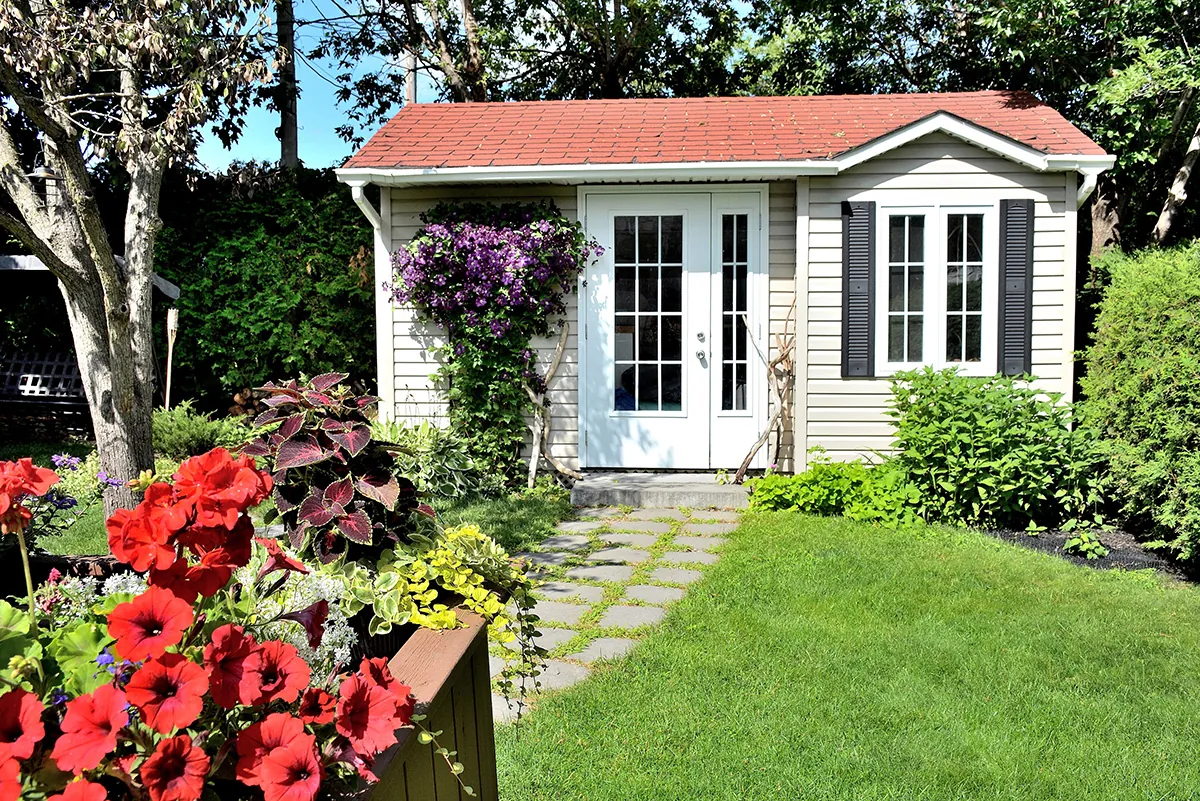
Pre-approved ADU designs from the LADBS Standard Plan Program, showing the range of detached and attached unit types available in Los Angeles.
If you are a homeowner researching where to start with an ADU, the first real decision is also the one most people underestimate: which type to build. A detached ADU, an attached ADU, and a junior accessory dwelling unit (JADU) are not interchangeable. They have different size ceilings set by state statute, different cost profiles, different permit paths, and different rental income potential. The gap between the best and worst option for your specific property can be meaningful over a five-year hold.
What the three types actually are
California's ADU framework sits in Government Code chapter 13, sections 66310 through 66342, organized into two articles: one for standard ADUs and one for JADUs.
A detached ADU is a freestanding unit on the same lot as the primary dwelling, with no shared walls or roof. Under Government Code section 66314(d)(5), the total floor area for a detached ADU shall not exceed 1,200 square feet. No passageway to the main house is required. In Los Angeles, new detached construction also requires solar panels under the city's ADU ordinance.
An attached ADU shares at least one wall or the roof with the primary dwelling. The same statute at subdivision (d)(4) caps the floor area at 50 percent of the existing primary dwelling. On a 1,800-square-foot home, that means a 900-square-foot ceiling. Attached ADUs often arise from garage conversions where the garage is physically connected to the house, or from additions built off the back wall.
A JADU is different in a fundamental way: it must be constructed entirely within the walls of the existing single-family residence, including attached garages. This is a statutory requirement under Government Code section 66333(d), not a guideline. The unit requires a separate entrance, an efficiency kitchen (cooking facility, food prep counter, and storage cabinets), and as of January 1, 2026, owner-occupancy is no longer required if the JADU has its own bathroom, following AB 1154. Rentals must be for terms longer than 30 days.
How the build costs compare
This is where the three paths separate most clearly.
JADUs are the lowest-cost path by construction cost because you are finishing interior space rather than building a new structure. No new foundation, no new framing, no new roof. You are converting an existing bedroom, bonus room, or attached garage into a habitable unit with an efficiency kitchen and a separate entrance. Permitting fees are typically lower as well. The constraint is straightforward: if your house does not have a convertible interior space, the JADU option is not available to you.
Attached ADUs land in the middle. You are connecting to an existing building's structural envelope, which means you benefit from existing utility infrastructure, but you are still doing framing, insulation, and finishing work for new habitable space. The 50 percent cap under Government Code 66314 is the practical ceiling. On many Los Angeles properties, this limits attached additions to under 800 square feet.
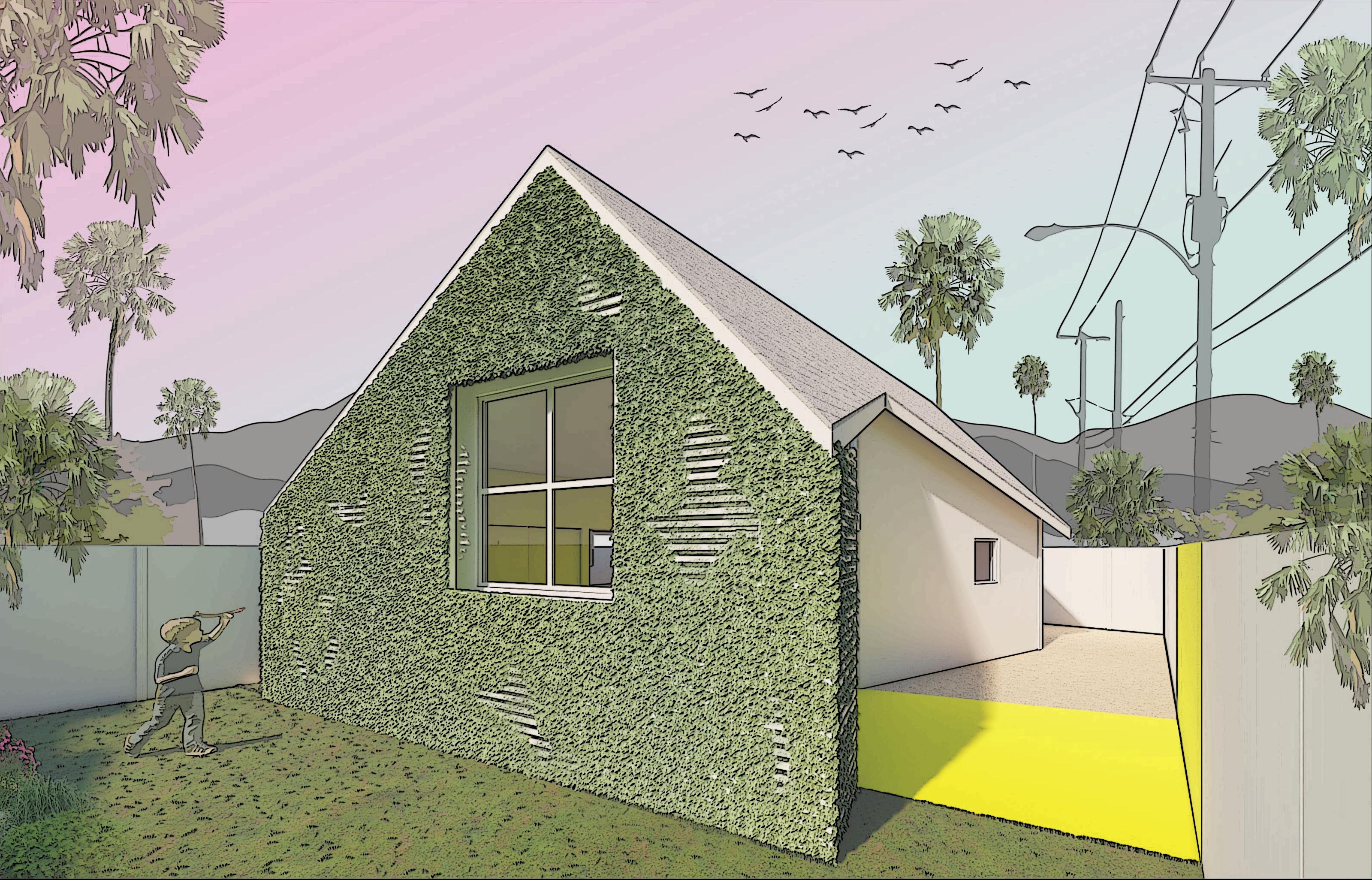
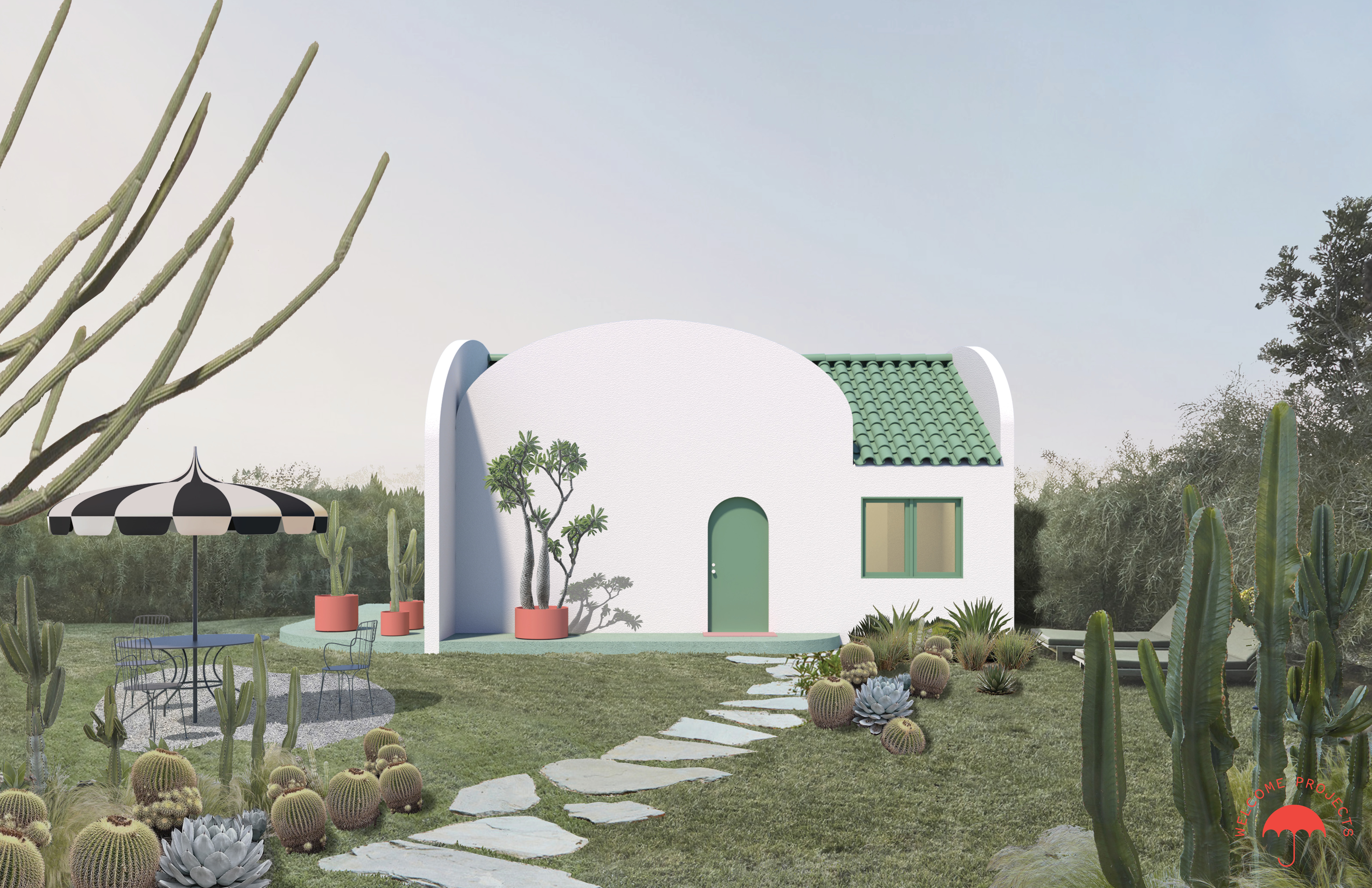
Detached ADUs carry the highest build cost and the highest size ceiling. A new freestanding structure at up to 1,200 square feet requires new foundation, framing, roofing, solar (in Los Angeles), and full utility connections. California prefab builder Villa was pricing turnkey detached units starting at $225,000 in late 2023, including permitting, foundation prep, off-site construction, and installation, per Dwell. Stick-built custom construction runs higher, particularly in hillside and coastal markets. Using a pre-approved standard plan from LADBS's program (21-plus designs, from 200-square-foot studios to 1,200-square-foot two-bedrooms) helps contain plan-check costs and reduces the risk of redesign delays.
Which type moves faster through permitting
California requires local agencies to act on a complete ADU application within 60 days. But what goes into a complete application varies by unit type, and the plan-check complexity matters for your actual timeline.
JADUs and conversions of existing structures typically move fastest. When you are not expanding the building's footprint, the structural review is minimal. Converting an existing attached garage to an ADU in Los Angeles uses the existing foundation and walls, removing major review items from the plan check.
New detached construction is more involved: new foundation, solar compliance, utility connections, setback verification, and on sloped lots, soils review. Using a pre-approved standard plan from LADBS removes architectural review from the equation, which can cut plan-check time significantly. LADBS's Standard Plan Program has been in place since 2019 specifically to speed this path.
Attached additions fall between these two depending on structural scope. Adding a new habitable room off the back of an existing structure involves framing inspections and potentially a geotechnical report, depending on site conditions.
Who wins on rental yield
Rental yield is net annual rent divided by total investment. The math consistently favors the option with the best build-cost-to-rent ratio, not simply the largest unit.
A JADU commands lower rent than a 1,200-square-foot detached unit in the same neighborhood. But it also costs a fraction as much to build. In California markets where one-bedroom rents are strong (parts of Los Angeles, the Bay Area, San Diego), a JADU conversion can return more per dollar invested than a full-build detached ADU, particularly in the first ten years of ownership.
The detached ADU wins on total rental income over a long hold. Its 1,200-square-foot ceiling and independent living arrangement let it compete with conventional apartment rentals in ways a JADU cannot. For first-time ADU clients who plan to hold a property for 15 or more years, the higher capital outlay for a detached unit can be rational.
Attached ADUs sit between these two in yield, as they do in cost. They offer more space than a JADU without the full cost of a new detached structure, which can work well when the primary home is large enough to support the addition and has existing utility infrastructure close by.
If you are evaluating which ADU type fits your property, A-du's build marketplace includes pre-approved plan catalogs from programs across California cities alongside licensed vendor listings, so you can compare plan options and cost ranges before committing to a path.