What Tenant Law Actually Says About Renting a California ADU
Chris Koss, AIA|Published June 10, 2026|Last updated June 11, 2026
Renting a California ADU or JADU is not the same as renting a regular apartment. Here is what AB 1482, AB 1154, and state ADU law actually cover, and what they do not, from rent caps to just cause eviction.
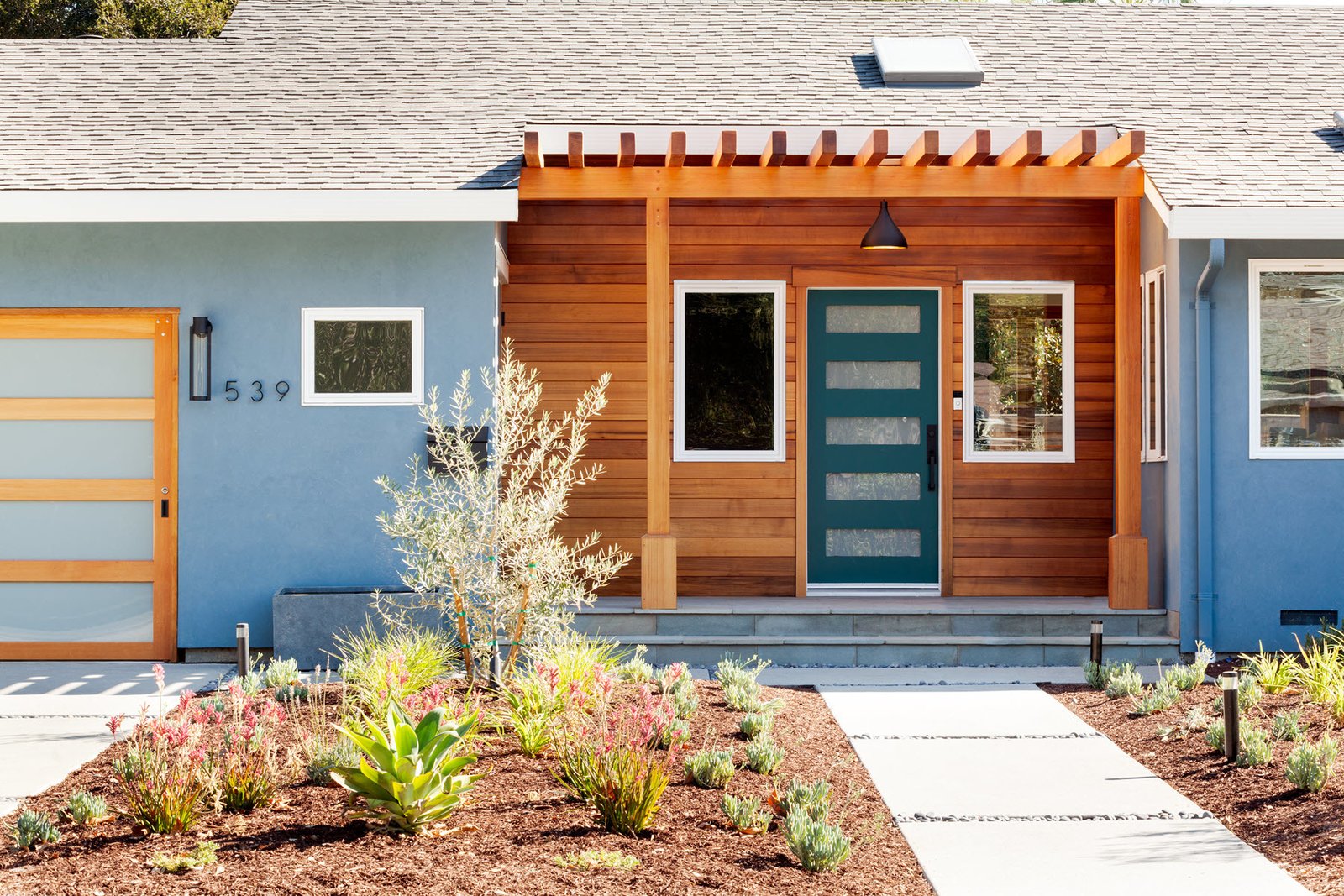
Photography via Dwell (Saikley Architects, Open Ranch + ADU).
If you are a tenant evaluating a California ADU or junior accessory dwelling unit, the short version is this: your rights are similar to those of any residential renter, but a few critical differences affect whether your landlord must live on-site, how your rent can be raised, and whether you can be asked to leave without a reason. None of these differences are obvious from a listing. You need to know what to look for before you sign the lease.
The rent cap that probably does not cover your unit
California's Tenant Protection Act (AB 1482, effective January 1, 2020) created a statewide annual rent cap, codified at Civil Code Section 1947.12. The cap limits rent increases to 5 percent plus the local consumer price index percentage change, or 10 percent total, whichever is lower, over any 12-month period.
There is an exemption most tenants miss. Under Civil Code 1947.12(d)(4), the rent cap does not apply to housing that received its certificate of occupancy within the previous 15 years. For most California ADUs, which were permitted during the construction boom that followed the 2017 ADU reform laws, this exemption applies. Your landlord can raise your rent by any amount at lease renewal, as long as proper advance notice is given. This is legal for most new ADU rentals, and it is common.
Older converted structures are different. If the certificate of occupancy for your unit is more than 15 years old, the rent cap likely applies and annual increases are limited to 5 percent plus local CPI, or 10 percent total, whichever is lower. Always ask for the certificate of occupancy date, not just the year the building was originally constructed. A garage converted to living space in 2008 has a different cert date than the original 1960s garage.
The eviction protection that still applies even in a new unit
Here is the part that catches new ADU tenants off guard. Civil Code Section 1946.2 is the just cause eviction section of AB 1482, and it operates under a separate exemption structure from the rent cap. After you have continuously and lawfully occupied a residential unit for 12 months, your landlord must state a documented reason to terminate your tenancy.
At-fault just cause includes non-payment of rent, breach of a material lease term, nuisance, criminal activity on the property, and unauthorized subletting. No-fault just cause includes the owner or their immediate family moving into the unit, a substantial remodel that requires the unit to be vacated, demolition, or a government order to vacate. For an owner move-in specifically, the intended occupant must actually move in within 90 days and occupy the unit as a primary residence for at least 12 consecutive months. If they fail to do so, the landlord must offer you the unit back at the same rent.
Whether Section 1946.2 applies to your specific ADU depends on the lease and whether your landlord provided a statutory notice of exemption when you signed. Some ADU rentals within owner-occupied single-family homes may be exempt if the owner gave you the required written disclosure at signing. If you signed a lease without receiving that notice, the just cause protections likely apply after month 12. Ask before you sign, and read every attachment.
JADU or ADU: the unit type changes your landlord situation
California law distinguishes between a detached ADU and a junior accessory dwelling unit (JADU). Under AB 1154 (signed October 10, 2025, effective January 1, 2026), Government Code Section 66333 sets the rules for JADUs. A JADU must be constructed within the walls of the existing single-family home, is capped at 500 square feet, and must have a separate entrance from the main front door and an efficiency kitchen.
If the JADU shares a bathroom with the main house, the property owner is required by law to live on-site, either in the JADU or in the main home. You will have a landlord as a neighbor. That requirement is not optional. The owner cannot waive it or rent both units out while living elsewhere.
If the JADU has its own private bathroom, the owner-occupancy requirement no longer applies under AB 1154. The owner may live elsewhere and rent both the main home and the JADU to separate tenants.
A detached ADU carries no state-level owner-occupancy requirement at all. State law prohibits cities from requiring owner-occupancy for detached ADUs (local ordinances may add requirements, but they cannot override state minimums). If having physical distance from your landlord matters, a detached ADU is a genuinely different situation than a JADU inside the same building.
AB 1154 also requires that any JADU rental be for a term longer than 30 days. You cannot be put on a week-to-week or short-term arrangement. This minimum applies from day one, before the just cause protections at month 12.
Four things to check before you sign
First-time ADU renters regularly overlook these questions. Work through them before you commit to a lease.
Ask for the permit or certificate of occupancy. This document tells you whether the unit is a legally permitted ADU or JADU, when it was certified, and which state and local rules apply. If a landlord cannot produce one, ask why. An unpermitted conversion does not carry the tenant protections of a permitted ADU, and it may not be legal to rent at all.
Ask how utilities are handled. Some ADUs have separate meters and you pay the utility company directly. Others use a submeter and the landlord bills you a proportional share. Others bundle utilities into the rent. All three are legal in California, but they affect your monthly cost and your ability to control usage. Get the arrangement spelled out in writing before you sign.
Negotiate parking explicitly. California ADU law does not require landlords to provide parking spaces for ADU tenants in many circumstances. If parking matters to you, negotiate it into the written lease. A verbal promise from your landlord is not enforceable once the written agreement is signed.
Check the lease term. JADU rentals must be for a term longer than 30 days under AB 1154. Standard ADU rentals should follow the same minimum. If you are being offered a lease shorter than that, ask about the unit's permit type and whether it is properly classified.
If you are searching for permitted ADU and JADU rentals across California, A-du's rental map shows listings by unit type and location, with permit details and utility structure visible before you reach out to a landlord.