CalHFA's ADU Grant: What the $40,000 Covers and Why It's Paused
Chris Koss, AIA|Published June 2, 2026|Last updated June 9, 2026
CalHFA's $40,000 ADU grant covers pre-development costs like permits, engineering, and impact fees, not construction. The program is fully exhausted as of May 2026 and not accepting new applications.
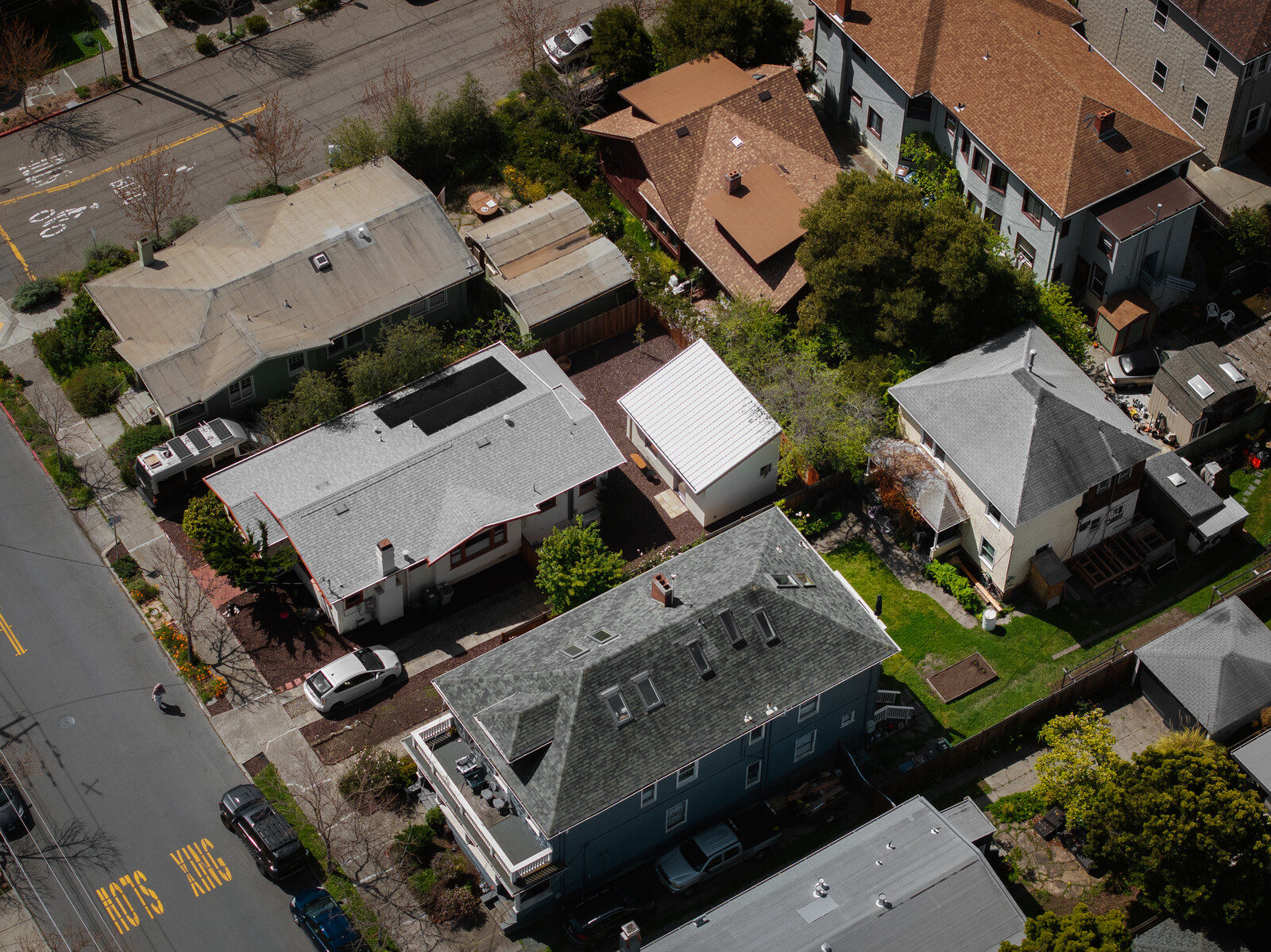
Photography via Dwell.
The CalHFA ADU Grant Program provides up to $40,000 to California homeowners to cover the upfront costs of building an accessory dwelling unit. As of May 2026, the program is fully exhausted. No new applications are being accepted, and no relaunch date has been confirmed. When a new funding round opens, the allocation has historically gone within days. For first-time ADU clients planning a California build, the $40,000 is often the first number they hear. This post explains what it actually buys, who qualifies, and what to use in the meantime.
What the $40,000 actually pays for
The biggest misunderstanding about this program is what the money is for. The grant does not cover construction. The $40,000 is for pre-development costs, which CalHFA defines as the expenses you incur before a single nail gets driven.
What is covered. Architectural plans and structural engineering. Building permit and plan-check fees. Impact fees, which vary widely by city and can represent a significant share of your pre-development budget. Site preparation work including demolition, grading, and utility connections. Soil testing and property surveys. Energy reports and Title 24 compliance studies. Non-recurring closing costs on your construction loan, if your pre-development total comes in below $40,000.
What is not covered. Construction labor. Framing, roofing, and foundation work. Drywall, finishes, fixtures, and appliances. Any cost that happens after the permit is issued and the build starts. The grant does not reduce your contractor's invoice.
For most California ADU projects, pre-development costs run between $15,000 and $40,000 depending on your city's permit-fee schedule and the complexity of the design. In cities with high impact fees, the $40,000 can cover nearly all of your soft costs. In cities with lower fees, leftover funds can apply to closing costs on your construction loan. The full list of eligible cost categories is on the HCD ADU funding page.
Who qualifies
Eligibility is narrow. You must own the property and occupy it as your primary residence. Investment properties, LLC-held titles, and properties that are rented out do not qualify. Trusts and tenancy-in-common arrangements may qualify depending on how the deed is structured.
Income limit: your household income must be at or below 80% of the Area Median Income (AMI) for your county. AMI limits are updated annually by CalHFA. In a high-cost county like San Francisco or Santa Clara, 80% AMI can exceed $140,000. In lower-cost inland counties, the limit may be under $70,000. Current AMI tables are on the CalHFA ADU program page. Check your household income against the limit first. If you are over it, the rest of the eligibility criteria do not matter.
Two other restrictions. The grant is one per applicant, so a second grant on a future ADU project is not possible if you have already received one. The ADU also must not have a Certificate of Occupancy yet. You cannot use the grant to recover costs on a project that is already built.
How the application works
You do not apply directly to CalHFA. The grant goes through a CalHFA-approved lender or a partner nonprofit organization. Here is how it works in sequence.
Find an approved lender first. CalHFA maintains a list at calhfa.ca.gov/adu. Not every mortgage broker or bank can process this grant. An application submitted through a non-approved lender is disqualified regardless of your eligibility.
Apply for construction financing at the same time. A construction loan, HELOC, or other approved financing vehicle is required. The grant attaches to that financing as a forgivable junior lien recorded on the property. The lien is canceled after five continuous years of owner-occupancy. If you sell or move out before the five-year mark, you repay the full $40,000.
Gather your documents before you start the application. You will need a recorded deed, income verification (W-2s, tax returns, pay stubs), a recent utility bill establishing primary residency, preliminary ADU plans with a cost estimate, and any permit or zoning approvals in hand. Have everything in PDF format before you begin. Some lenders do not offer a save-and-return function in their application portal, and an incomplete submission gets rejected.
What to use right now
While the CalHFA grant is paused, a number of local programs are still active. Availability and income eligibility vary by county.
San Diego Housing Commission ADU Finance Program. Construction loans up to $200,000 plus no-cost technical assistance for San Diego homeowners. Income-qualified.
Santa Cruz County ADU Forgivable Loan Program. Up to $40,000 for homeowners who agree to rent their ADU to a low-income household at affordable rates for 20 years.
San Mateo County One Stop Shop. No-cost support from Hello Housing covering design, permitting, and project management. Not a cash grant, but useful for homeowners navigating the process for the first time.
HCD CalHome Program. State funds distributed through local public agencies and nonprofits for ADU and JADU construction, repair, and reconstruction. Eligibility and availability depend on your local housing authority. The HCD ADU funding page lists currently active programs by type.
For homeowners who do not qualify for any grant or local program, the practical options are a HELOC drawn against existing equity, a cash-out refinance, or a standalone construction loan. Without the CalHFA grant, pre-development costs add directly to your borrowing total. That is worth modeling before you sign a construction contract.
If you want to estimate permit fees across California cities before setting your budget, A-du's permit fee calculator is a quick way to see what your jurisdiction charges before you talk to a lender or architect.